Handpicked highlights:
- Off-season travel in Italy during the spring months (March-May) offers fewer crowds, calmer towns, and a more authentic local atmosphere.
- Each region has unique seasonal highlights: Sicily’s almond blossoms and citrus festivals, Tuscany’s truffles and harvests, Puglia’s olive oil and seafood, Umbria’s truffle fairs and flower festivals, Lombardy’s wine and risotto traditions.
- Weather during off-season is generally mild and pleasant (15-24 °C), ideal for exploring outdoors without the heat of summer.
- Magari designs its tours around off-season months so travellers can enjoy food, festivals, and landscapes in a more genuine, welcoming setting.
Italy has two personalities, and most travellers only meet one of them.
There’s summer Italy – vibrant, energetic, alive with festivals and long golden evenings. The Italy of packed piazzas and bustling markets. This is the Italy most people know and love.
Then there’s Italy off-season in spring – calmer, with room to breathe. This is when the country stops becoming a tourist hot-spot and starts to become more authentic.
Most travellers never meet this second Italy because they don’t know when to look for it. Travel in spring, and the country serves up experiences that summer simply can’t offer.
At Magari, we believe Italy shows its best side off-season. In this guide, we’ll help you decide when is the best time to travel to Italy, walking through spring month by month, with a focus on our most favourite regions: Sicily, Tuscany, Puglia, Umbria, and Lombardy.
Siete pronti? Allora, cominciamo!
When is the best time to travel to Italy?
Many assume Italy’s “season” is summer (June-August), when temperatures soar and queues stretch around the block. Locals will tell you a different story. Italy’s off-season: spring (March-May) and autumn (September-November) – is when towns feel calmer, streets open up, and everyday life returns.
If you’re wondering what is the weather in Italy outside peak months: expect mild 15-20°C, little rain, and warm, pleasant afternoons. You’re welcomed as a guest during this time, opposed to being seen as a tourist.
Why off-season works:
- Authentic festivals and food traditions in real community settings
- Easier access to wineries, archaeological sites, and small towns
- Harvest activities, aka: La Vendemmia (wine, olives, truffles) that don’t happen in summer
- Better value and more relaxed hospitality


 https://www.magaritours.com/wp-content/uploads/2026/02/Modica-chocolate-slection-92098464-123RF-500x667.jpg
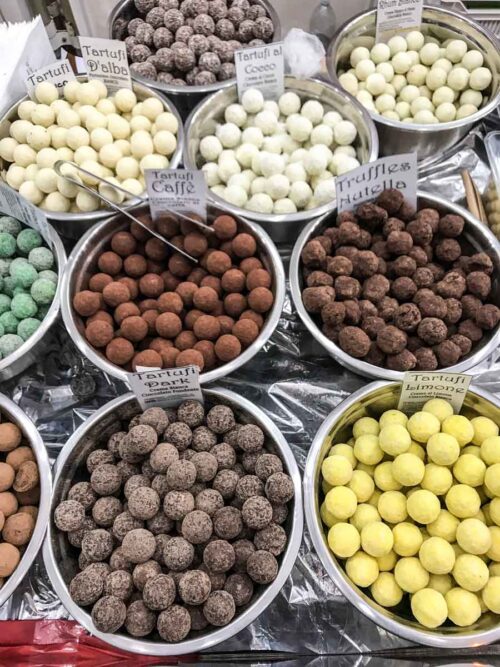
Bowls of handcrafted Modica chocolates line a stall - a rainbow of flavors and textures
https://www.magaritours.com/wp-content/uploads/2026/02/Modica-chocolate-slection-92098464-123RF-500x667.jpg
Bowls of handcrafted Modica chocolates line a stall - a rainbow of flavors and textures