The first time you bite into real Modica chocolate, you’ll know something’s different. It doesn’t melt on your tongue the way chocolate is “supposed” to, instead it crunches with sugar that refuses to dissolve and flavours of spice and raw cacao, not cream and sugar. If you’re expecting Lindt, you’ll be confused – but if you’re curious about food that tells a story, you’ll be hooked!

This is chocolate made the way it was four centuries ago, when Spanish colonists brought cacao to Sicily, and local chocolatiers decided the recipe was perfect. No conching (the process used to add more flavour) no modernisation, just stone, heat, and a kind of stubborn respect for tradition.

This is the sort of place and experience we love to spotlight on a Magari Sicily tour – simple, authentic, and with an incredible history that hasn’t changed for anyone. This article will run you through where Modica is, what makes its chocolate so different, why the recipe has stayed the same for centuries, and how you experience it on a Magari tour!

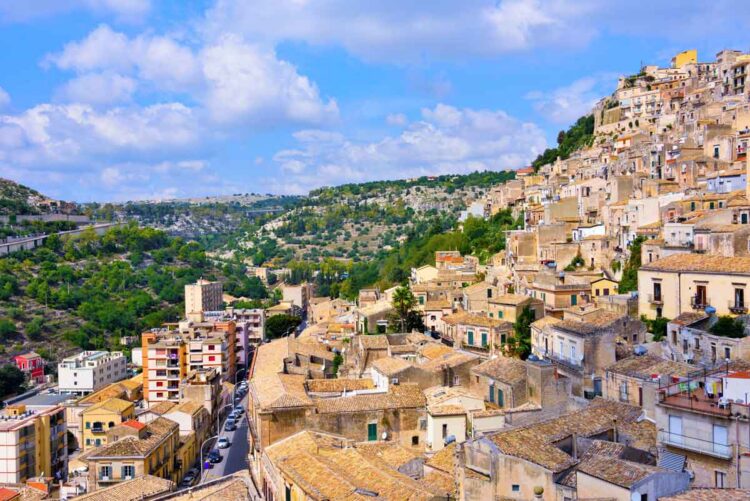
Rows of stone houses stack along the hillside in Modica, showing the layered streets and rooftops that shape the town’s historic centre.

Where is Modica – and why do travellers come here?

Modica sits in southeastern Sicily, tucked into the Val di Noto, a UNESCO-listed valley of honey-coloured Baroque towns rebuilt after a devastating 1693 earthquake. It’s not a stop you make by accident, though, it’s somewhere you intend to go to. 

The town spreads across two ridges, Modica Alta and Modica Bassa, linked by steep staircases and narrow streets that wind past beautiful old churches, weathered bell towers, and balconies held up by carved stone grotesques. It’s beautiful, but that’s not why food-focused travellers make the detour. They come for the chocolate.

Is Modica worth visiting? If you care about food as culture, as history, then yes. This town is a working community with a deeply local food culture, and its chocolate is part of who it is.

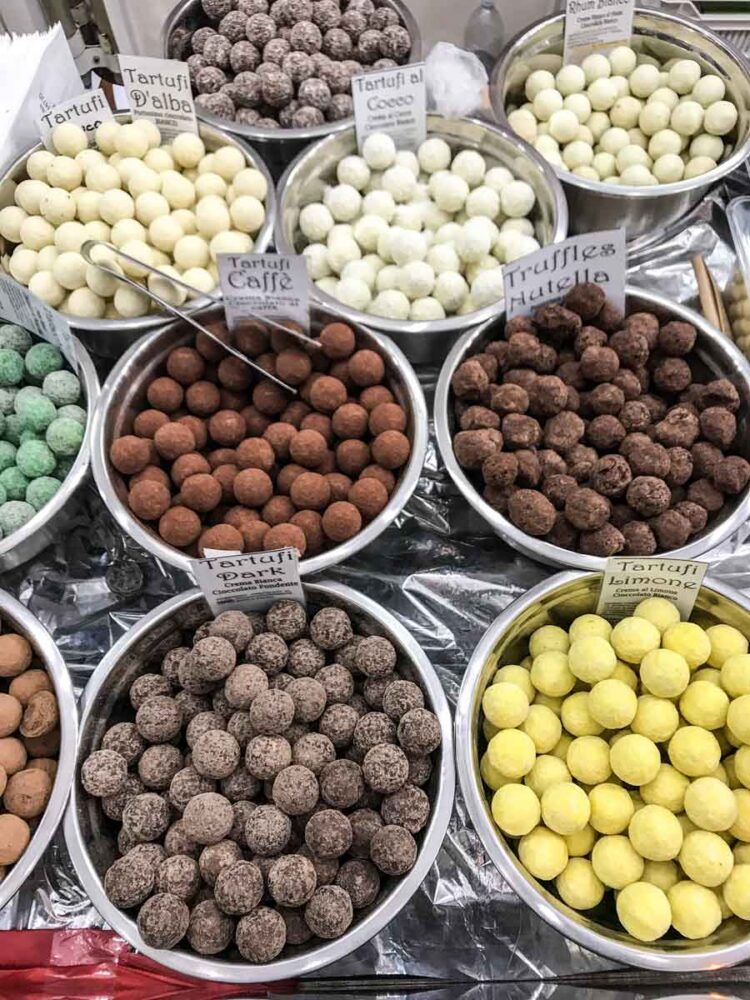
Bowls of handcrafted Modica chocolates line a stall - a rainbow of flavors and textures

What makes Modica’s chocolate different from every other chocolate

Most chocolate is refined until it’s silky and uniform. Modica’s isn’t. The difference is in the process – or rather, what’s missing from it.

Cacao is ground by hand on a heated stone, a metate, the same tool used by the Aztecs. Sugar is added to the warm paste, but the temperature never gets high enough to melt it completely. No milk, no emulsifiers, no machines conching everything into one smooth paste. The chocolate sets with the sugar still crystalline, which is why it crunches when you bite it.

The texture is grainy, the flavour intense – darker, more bitter, with the cacao front and centre. Traditional bars come flavoured with cinnamon, vanilla, or chilli, spices that nod back to the Spanish colonial trade routes. Some chocolatiers experiment with pistachio, citrus, sea salt, even carob, but the method stays the same: hand-ground, unrefined, cold-processed.

Modica chocolate isn’t for everyone, but it’s not trying to be. Its flavour and texture reflect 400 years of history.

As Jill Gambling, our Magari marketing expert, shares:

“Modica and especially Antica Dolceria Bonajuto, the oldest chocolate factory on the island, prides itself on producing some of the finest chocolate including beautifully created Easter Eggs. The famous chocolaterie has been making its chocolate in Modica since 1880 – hardly anything has changed since the old cold-processing method of cocoa used by the Mesoamericans.”

Why the recipe hasn’t changed in 400 years

When Spanish conquistadors brought cacao back from the Americas in the 1500s, they brought the Aztec method with it: grinding on heated stone, no tempering, no refining. Sicily was under Spanish rule, and the technique took root in Modica, where it’s been made the same way ever since.

Elsewhere in Europe, chocolate changed. The Dutch invented the cocoa press, the Swiss added milk, and Lindt invented conching. Modica ignored it all – partly because the old way worked, partly because changing it would have meant losing what made it Modicano. By the time industrial chocolate became the norm, Modica’s version had become something else entirely: a relic, but also a careful preservation of tradition.

Today, the recipe is protected by local pride and practice. Modica chocolate holds IGP status (the Italian equivalent of a UK Protected Geographical Indication), guaranteeing that only chocolate made here, the traditional way, can carry the name. 

What to do in Modica if you care about food

If you’re wondering what to do in Modica, the answer is simple: taste. Not just a quick bite from a shop counter, but slowly, carefully – the way you’d taste wine. Start with the chocolate (it’s why you’re here after all!), but let it lead you into the wider food culture that surrounds it.

This is how Magari approaches Modica. Chocolate isn’t a souvenir or a photo op – it’s a way into the town’s approach to food: as identity, as tradition, as a link to the past. The same philosophy that keeps chocolatiers grinding cacao on stone is what fills the town’s bakeries with ‘mpanatigghi (traditional Sicilian almond and chocolate pastries) and the bars with Modica chocolate granita. Everything here is local and true to itself.

Tasting Modica chocolate is a moment you’ll remember long after you leave. The first bite tells you everything –  the warmth of cinnamon versus the subtle sweetness of vanilla, 70% cacao against 90%, chocolate ground on stone versus chocolate churned by machine. The grain tells you it’s real, and the intensity tells you it hasn’t been changed to please anyone.

On a Magari tour, we visit the best chocolaterie in Modica, and you can watch the process. You see the stone metates where cacao is ground, feel the warmth of the process, smell the dark cacao mixing with cinnamon.

The chocolatiers explain why the temperature matters, why refining would ruin it, and why this method is the only way to make chocolate that tastes like Modica. Then you taste it: classic, rich chocolate that crunches and melts in stages, with flavours you’d never find in a supermarket.

By the end, you understand the town and the chocolate – its history and the choices that make its food what it is.

Jill adds:

“On Magari Tours’ Heart & Soul of Sicily tour, our guests explore the city’s tiny lanes and staircases with a knowledgeable local guide before trying some of the classic, rich chocolate. Just one of the mouth-watering moments on our authentic small group tours.”

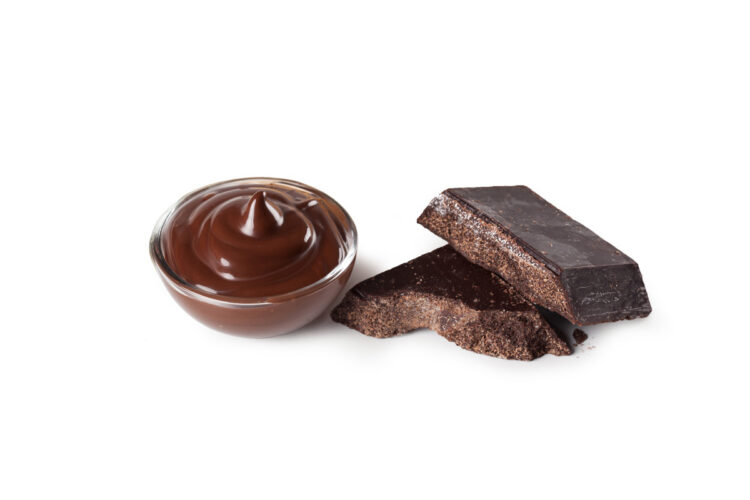
Grainy Modica chocolate rests beside a smooth swirl of cocoa - highlighting the difference in colour and texture.

Where to try and buy Modica chocolate

Wondering where to buy Modica chocolate? Start with Antica Dolceria Bonajuto. Opened in 1880, it’s Sicily’s oldest chocolate shop and the one everyone still looks to for the classic Modica style.

Step inside and the first thing you’ll notice is the smell – a faint hint of cacao and spice. Everywhere you look, wooden shelves are stacked with chocolate bars and confections, all labelled by flavour: cinnamon, vanilla, chilli, orange, pistachio, and more. 

A small tasting corner invites you to try a few before you buy, while around you, Sicilian treats fill the room, from simple biscuits to rich drinking chocolate, hot or cold. Cases along the walls hold pieces of the past, photographs, everyday objects, memorabilia – all reminders of the history and care behind every chocolate. 

Bonajuto still makes chocolate the traditional way, cold-processed on stone, and the texture hasn’t changed in over a century. Cinnamon is the classic; chilli adds a slow, warm heat. Vanilla is milder, almost floral, and citrus, nuts, and other spices give each bar its own character. Try a few, and you start to notice how different Modica chocolate can be.

When you’re buying, look for a few things:

  • The chocolate should be rough and grainy – if it’s smooth, it’s been refined. 
  • The ingredient list should be short: cacao, sugar, maybe a spice. No fillers, no lecithin, no milk powder. 
  • And the bar should snap cleanly, not bend. That snap tells you it’s been made the traditional way, on stone, with nothing forced or smoothed out.

Where to eat in Modica beyond chocolate

Chocolate puts Modica on the map, but it’s only the start. Granita (an icy dessert) here is dark and intense, often made with Modica chocolate and served with a brioche for dipping. The town’s bakeries still work with traditional recipes that haven’t changed in generations.

If you’re thinking about where to eat in Modica, follow the locals down side streets. Small trattorias, no English menus, no fuss. Osteria dei Sapori Perduti (“Forgotten Flavours”) lives up to its name, serving dishes that change daily, made with whatever arrived at the market that morning – fresh ricotta, sharp olive oil, wild herbs. Simple ingredients, carefully prepared, each bite a taste of Modica’s food story.

The food here is proudly regional, which means it’s specific and unapologetic. Bread from wood-fired ovens, ricotta made that morning, olive oil still green. Nothing fancy, just honest, tasty food. And that honesty is what makes Modica worth exploring.

Interested in learning more about Italy’s fabulous seasonal food traditions? Check out our article about the olive oil you can only taste for one season each year.

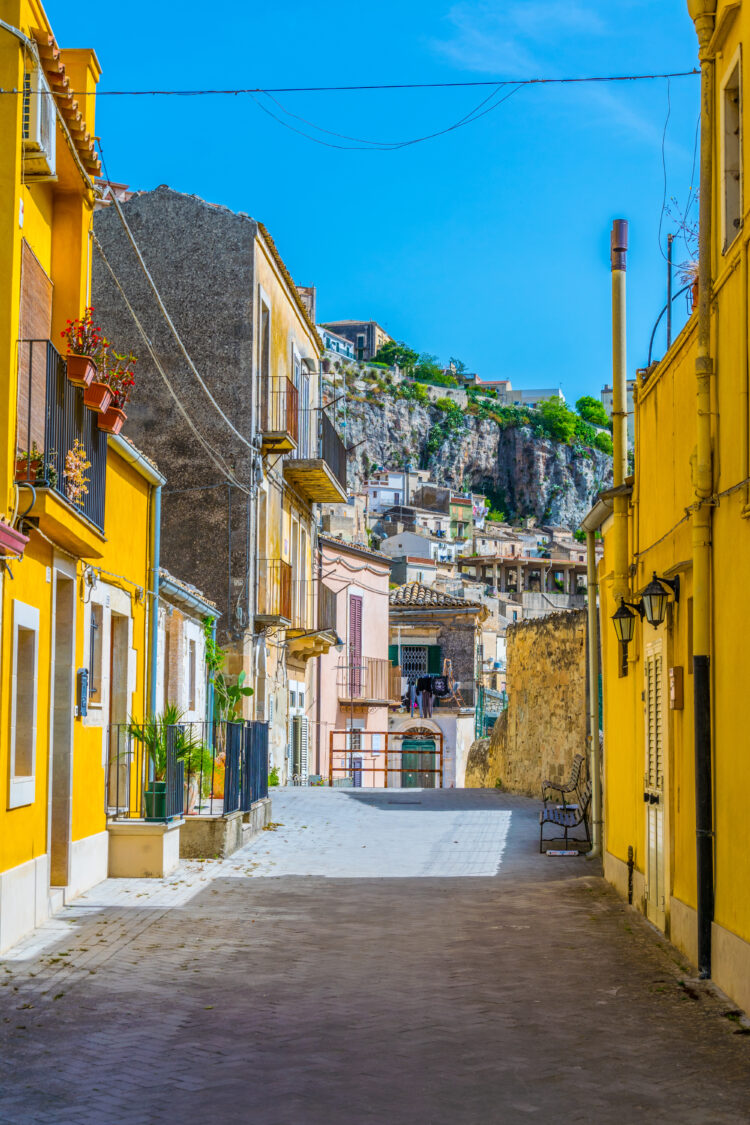
View of a narrow street in Modica, Sicily, Italy with cobbled street. An authentic Italian street with a bright blue sky and yellow houses.

What else do Magari guests do in Modica?

People often arrive in Modica for the chocolate, but what keeps them is everything else – and the fact that, with Magari, you actually have time to settle in.

On our Heart & Soul of Sicily tour, Modica becomes our base for three nights. 

We stay at:

Principe d’Aragona on Corso Umberto I. Just steps from the:

  • Basilica of San Giorgio
  • Cathedral of San Pietro

Which means the town’s Baroque centre is always just outside the door.

First full day

  • A guided walking tour introduces Modica’s history and layout, threading history through tiny lanes and hidden corners
  • Proper chocolate tasting at Antica Dolceria Bonajuto

After a free afternoon to explore (or simply relax), we:

  • Head to nearby Scicli, a much-loved Val di Noto jewel known for its Baroque streets
  • Sit down to a relaxed evening meal at a local osteria to finish

Following day

  • The day is spent in Ragusa Ibla, a UNESCO-listed old town crowned by the Cathedral of San Giorgio
  • Walk its streets and learn how the region rebuilt after the 1693 earthquake

We’re back in Modica by mid-afternoon with free time to:

  • Climb between Modica Alta and Bassa
  • Wander past balconies spilling with bougainvillea
  • Sit in a piazza with gelato
  • Duck into ceramics shops where tiles are still hand-painted, one at a time

Whatever takes your fancy, really!

Evenings

  • First dinner in Modica is at Osteria dei Sapori Perduti, where local cooking takes its cues from the past
  • We spend the final night at Torre Marabino, a beautifully restored Norman fortress turned agriturismo
  • Francesco and his team cook us a farewell dinner using the estate’s own organic produce and wines

You couldn’t imagine a more beautiful setting.

What to see in Modica – and how to feel it

Over three days, you’ll wander streets that haven’t changed much since the 1700s, explore hidden staircases between Modica Alta and Bassa, and browse small family-run boutiques selling everything from hand-painted tiles to Sicilian lace. You’ll stop for gelato in quiet piazzas, watch locals go about their day, and take in the town at your own pace.

By the time you leave, you’ve tasted chocolate made on stone at Antica Dolceria Bonajuto, eaten at family-run osterias and prestigious wine estates, learned the stories behind Modica’s churches, palazzi, and streets from a local guide, and wandered neighbouring Baroque towns like Ragusa Ibla and Scicli. 

Ready to taste the chocolate that refuses to change? Join us on our Sicily tour, sample the town’s signature treats, and discover Italy the way locals know it. Browse our holiday packages or get in touch to start planning your escape. For more stories like this, sign up for our newsletter and discover the Italy most travellers miss.

Alternatively, if chocolate’s not your thing, but Sicily certainly is, take a look at our Western Sicily 7-night tour, where you can experience all that is both mystical and oh-so-moorish! 

Read Other Stories

We're here to help

Get in touch

Charlotte Vickerstaff

We're here to help

Close form
Magari Tours
Privacy Overview

This website uses cookies so that we can provide you with the best user experience possible. Cookie information is stored in your browser and performs functions such as recognising you when you return to our website and helping our team to understand which sections of the website you find most interesting and useful.