There are two questions we hear from guests more than almost any other… 

Not “what’s on the menu?” or “which region should I visit first?” (though those are excellent questions), but the practical ones: “do I need a travel visa for Italy”, and “is Italy a safe place to travel?”

They’re good questions; sensible ones, too. If you like to feel prepared before you travel, especially if you’re going alone or if it’s been a while, it makes complete sense to want answers before you start picturing yourself lounging on a sun-warmed terrace in Sardinia or kneading dough with a Nonna in a Lombardy kitchen.

So that’s where we’ll start today. A straightforward look at both, with the detail you actually need before you start picturing aperitivi by the piazza.

At the centre of Orvieto, the piazza opens out beneath the cathedral, surrounded by rooftops and rolling countryside beyond.

Do you need a visa to travel to Italy?

For most travellers, visiting Italy is easy. UK and US visitors don’t need a visa for short stays, but there are some new EU regulations to be aware of. Let’s take a look.

UK travellers

You might be wondering, do I need a visa to travel in Italy? Well, if you’re travelling on a British passport, you won’t need a visa for Italy (or anywhere else in the Schengen zone) for short stays. UK visitors can stay visa-free for up to 90 days in any 180-day period, which comfortably covers most holidays.

Since Brexit, this is one of those details that tends to cause a bit of uncertainty, so it’s worth saying it clearly: as a UK citizen, you don’t need a travel visa for Italy for a normal holiday. 

However, you will need an ETIAS travel authorisation if you’re travelling towards the end of 2026 or thinking a little further ahead into 2027 – which we’ll cover in a second.

US travellers

The same applies here. US passport holders can travel to Italy visa-free for stays of up to 90 days, keeping things simple for our American guests and just as accessible as ever.

Do you need a passport to travel to Italy?

Yes – always. And it needs to be valid for the full duration of your trip. 

If you’re travelling from the UK, it’s also worth checking your passport issue date. For entry into Italy, your passport must have been issued less than 10 years before the day you arrive, and remain valid for at least 3 months after you leave the Schengen area.

It’s a small detail, but one that catches a lot of people out – especially when everything else looks in order.

What is ETIAS and does it apply to Italy?

ETIAS (the European Travel Information and Authorisation System) is a new pre-travel authorisation the EU is rolling out across 30 countries for visitors from visa-free regions, including the UK and the US. 

It’s a bit like the US ESTA: you complete a short online form before you go, pay a small fee, and once approved, the authorisation is good for multiple trips over several years. And much like the ESTA, the ETIAS is not a visa; rather, it’s an extra form of pre-travel screening. 

One important point to note: everyone travelling will need an ETIAS, including infants and children. While some age groups are exempt from the fee, the authorisation itself is still required for every traveller, regardless of age. 

You can get all the information you need from the ETIAS website, but specifically for Italy, here are some good things to know…

When does ETIAS launch?

The current plan is late 2026, around the start of October, but won’t be mandatory until six months later. 

How does ETIAS work?

When ETIAS launches (the current plan is late 2026), you’ll be asked to complete a short form online ahead of departure.

How long does it last?

Once approved, ETIAS typically lasts up to three years or until your passport expires – whichever comes first. It can be used as many times as you want over the course of the three years.

How much does an ETIAS cost?

ETIAS will cost around €20 for most adult travellers, and will be free for under-18s and those aged 70 and over.

Right now, ETIAS isn’t live yet, and there’s no application you can submit today, so there’s nothing to do yet other than bookmark the official site and save it for later.  Our advice: keep an eye on it if you’re booking one of our late 2026 or 2027 package holidays to Italy, and we’ll make sure to keep guests in the loop as anything changes.

OK, so, now we’ve covered everything on the ETIAS front, let’s get back to talking all things travel in Italy…

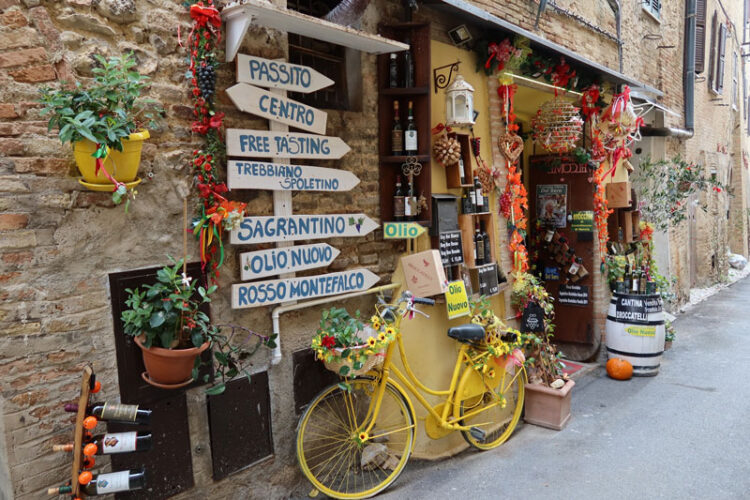
A colourful corner of Bevagna, where every street feels full of life and local flavour.

Yes, Italy is generally very safe for travellers and sits comfortably alongside other Western European destinations. 

Millions of people visit every year without issue, and for most trips, safety is simply not something you’ll need to think about day to day.

The main risks to be aware of are the familiar ones: pickpocketing in busy city centres, especially around transport hubs, and the occasional tourist-focused scam in popular areas like Rome or Venice. These are, unfortunately, the kind of things that come with popular, well-visited places, but a bit of common sense goes a long way. Keep valuables secure, stay mindful in crowded places, and you’ll be absolutely fine.

On a Magari trip, you don’t have to navigate any of that alone. You’re met at the airport, your transfers are handled, and a dedicated tour manager is with you throughout the journey. It means you’re never left figuring things out in unfamiliar places, and you can relax into the experience knowing everything is taken care of.

What does safety actually feel like day to day?

This is perhaps the more useful question, especially if you’re travelling alone or you’re not sure what to expect.

Walking through a small Italian town in the evening feels genuinely lovely – aperitivo hour with locals sitting outside bars, the kind of unhurried atmosphere that makes you slow down instinctively. 

Cities and towns are built for walking, public transport between places is well established, and most destinations are used to international visitors, with English widely spoken.

Italy doesn’t rush, and that carries over into how it treats its visitors.

On a Magari trip, everything is even easier. The details are all handled, so you can settle into that slower pace straight away without having to think about how to get from one place to the next.

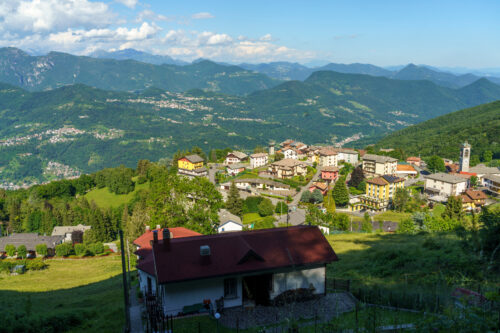
Imagna Valley in northern Italy, with a small hillside village overlooking green valleys, rolling mountains, and scattered houses under a blue sky.

Practical things to know before you travel

Healthcare and insurance: Italy has excellent healthcare, and UK travellers can still access medically necessary treatment using a UK GHIC (Global Health Insurance Card) when visiting Italy and other EU countries.

That said, a GHIC only covers the basics, so it’s always worth having comprehensive travel insurance in place as well. It gives you broader protection (including flight cancellations or delays, and any medical costs that fall outside standard treatment) and, just as importantly, peace of mind while you’re away.

Getting around: Italy’s trains are reliable and easy to use, and the journeys themselves are often a highlight – you actually get to see the gorgeous countryside as you move through it, rather than just getting from A to B. Between regions, both regional trains and private transfers work well, depending on where you’re headed. 

On a Magari tour, transport between destinations is always arranged, so you can leave the logistics of it to us.

Language: English is widely spoken in hotels, restaurants, and most tourist settings across Italy. In smaller towns and rural areas, you may hear less of it, but communication is still rarely an issue.

More than anything, Italians really value the effort. Even a simple buongiorno or grazie is usually met with warmth – and often opens doors a little wider than expected.

Travelling solo or later in life? Here’s what makes the difference

Many of our guests travel solo. Some are doing it for the first time, others are returning to travel after years away. And almost all of them say the same thing afterwards: it was easier than they expected, and more enjoyable than they imagined.

The worries a lot of guests have before they travel (will I manage? will I feel out of place? what if something goes wrong?) tend to fade quickly once they’re there. Italy is easy to travel through and has a way of making things feel familiar quickly.

But what really changes the experience is being on a Magari tour. From the moment you’re met at the airport to the first evening meal with your group, everything is already arranged.  

From there, you’re travelling with a small group of like-minded people, which often becomes one of the most enjoyable parts of the trip.

It’s easy to get talking and to connect with new people when you’re sharing experiences like learning to make pasta the Italian way, and sharing meals, along with plenty of laughs, means guests often leave with new friendships.

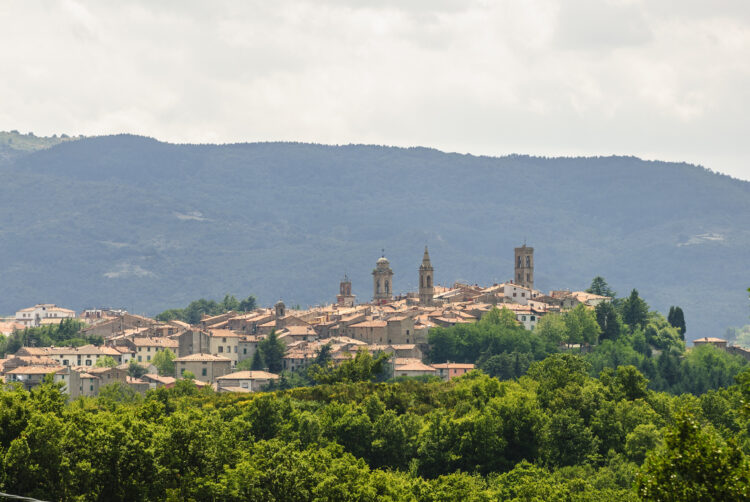
The hilltop town of Castel del Piano in southern Tuscany, surrounded by green countryside, with stone rooftops and church towers set against gorgeous greenery.

How to travel in Italy without the stress

Italy is easy to fall for. Visa-free for UK and US travellers, safe, warm, and packed full of places worth lingering in – it’s a country that makes it easy to settle in and enjoy where you are.

The trickier part is often the planning behind it. Finding the right hidden gems to visit, arranging transfers, or knowing which activities are worth your time in places like Modica or Puglia. That’s exactly where Magari comes in. We take care of those moving parts, leaving you free to focus on what matters most: the experience.

If you’re thinking about booking for 2026 or 2027, we’d love to help you plan. Browse our fantastic escorted holidays or get in touch to find out more.

Louise Price, Magari Tours commented:

“After our guests return, they often tell us that we make it so easy to explore Italy. Often staying in one place and only having to unpack once, with all the hassle of travel arrangements taken care of means they can just enjoy discovering a region.

“They tell us we have shown them out of the way places they probably wouldn’t have found by themselves. That it was just lovely being taken somewhere, often driving on quieter roads and not having to fight through the crowds. They feel that the places they’ve been to have been worth seeing, out of the way, small and not on the main tourist trail.”

And if you’d like to stay up to date with ETIAS developments as they happen, sign up for our newsletter, and we’ll keep you informed.

Buon viaggio!

Read Other Stories

We're here to help

Get in touch

Charlotte Vickerstaff

We're here to help

Close form
Magari Tours
Privacy Overview

This website uses cookies so that we can provide you with the best user experience possible. Cookie information is stored in your browser and performs functions such as recognising you when you return to our website and helping our team to understand which sections of the website you find most interesting and useful.